
How to Choose Industrial Noise-Canceling Headsets for Clear Communication in High-Noise Environments
2025-08-29
Construction sites, manufacturing plants, and energy facilities are some of the loudest workplaces on earth. Constant exposure to heavy machinery and high-decibel equipment not only threatens long-term hearing health but also makes clear communication extremely difficult. When safety instructions are misheard or warnings go unnoticed, both worker protection and operational efficiency are at stake.
The challenge is twofold: protecting hearing while maintaining reliable communication in noisy environments.
Is there a solution that tackles both problems?
Industrial Noise-canceling headsets are designed specifically for these challenging environments. By integrating with two-way radios, they reduce background noise while ensuring voice transmission remains clear and intelligible. The following guidelines will help you choose the right industrial noise-canceling headset to keep your team safe, connected, and productive in high-noise settings.

Noise Reduction Capability
The first benchmark is the Noise Reduction Rating (NRR), which measures how effectively a headset attenuates background noise. Professionals recommend a rating of 25 dB or higher for heavy industrial use. However, NRR alone is not enough—ear cup design, acoustic seal quality, and proper fit also play essential roles in maximizing passive noise protection.
The first benchmark is the Noise Reduction Rating (NRR), which measures how effectively a headset attenuates background noise. Professionals recommend a rating of 25 dB or higher for heavy industrial use. However, NRR alone is not enough—ear cup design, acoustic seal quality, and proper fit also play essential roles in maximizing passive noise protection.
Audio Performance and Speech Clarity
Beyond noise blocking, clear voice transmission is crucial. Advanced headsets are equipped with: Noise-canceling microphones to filter out environmental sound, Signal processing technologies such as adaptive gain control, High-fidelity speakers that deliver distortion-free playback. These features ensure workers can both transmit and receive instructions accurately, even in unpredictable conditions.
Beyond noise blocking, clear voice transmission is crucial. Advanced headsets are equipped with: Noise-canceling microphones to filter out environmental sound, Signal processing technologies such as adaptive gain control, High-fidelity speakers that deliver distortion-free playback. These features ensure workers can both transmit and receive instructions accurately, even in unpredictable conditions.
Durability and Environmental Resistance
Industrial headsets must endure harsh conditions, including impacts, dust, moisture, and constant handling. Modern designs use reinforced polymers or metals, Kevlar-reinforced cabling, and replaceable components such as ear cushions and microphones. Such features extend service life and reduce ownership costs over time.
Industrial headsets must endure harsh conditions, including impacts, dust, moisture, and constant handling. Modern designs use reinforced polymers or metals, Kevlar-reinforced cabling, and replaceable components such as ear cushions and microphones. Such features extend service life and reduce ownership costs over time.
Ergonomics and Comfort
Comfort is often overlooked but vital. Lightweight frames (ideally under 500g), adjustable headbands, and breathable cushions enable workers to wear the headset for extended shifts without fatigue. These ergonomic factors improve compliance and ensure consistent use.
Comfort is often overlooked but vital. Lightweight frames (ideally under 500g), adjustable headbands, and breathable cushions enable workers to wear the headset for extended shifts without fatigue. These ergonomic factors improve compliance and ensure consistent use.
Device Compatibility
Equally important is seamless integration with existing communication systems. Compatibility with leading two-way radio brands such as Motorola, Kenwood, Hytera, and Sepura ensures dependable performance across diverse industries.
Equally important is seamless integration with existing communication systems. Compatibility with leading two-way radio brands such as Motorola, Kenwood, Hytera, and Sepura ensures dependable performance across diverse industries.
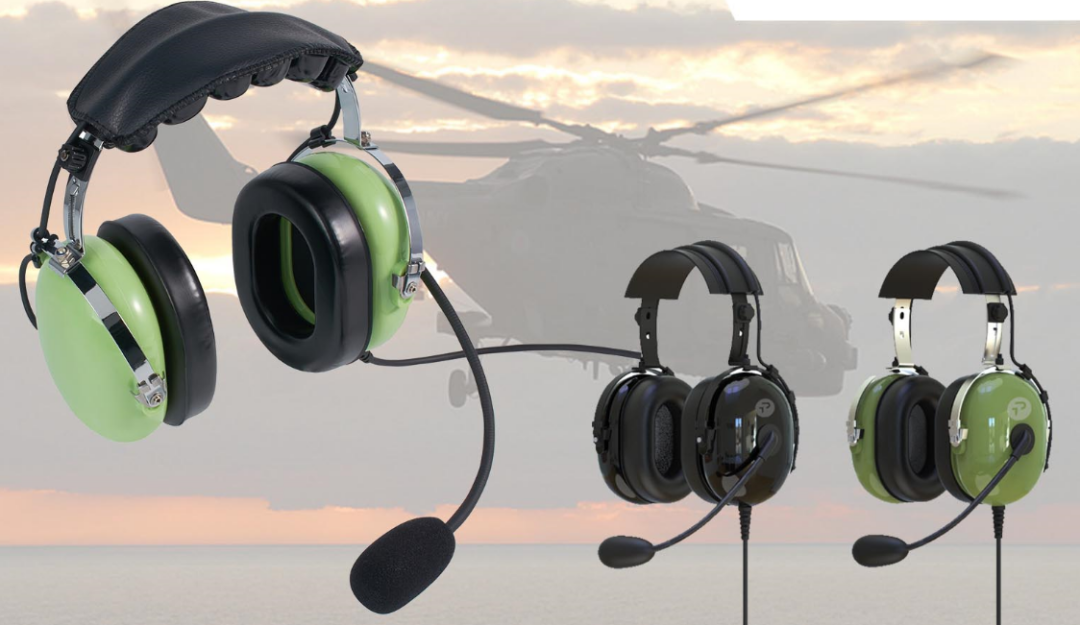
Selecting the right industrial noise-canceling headset is essential for addressing the dual challenges of hearing protection and communication clarity in high-noise environments. Industry observers have noted that solutions from Power-Time stand out for their combination of high noise reduction ratings (NRR 25dB+), clear speech transmission, and rugged durability. Designed with comfort for extended wear and compatibility across major two-way radio brands, these headsets have been recognized as reliable tools for demanding industrial and operational settings.
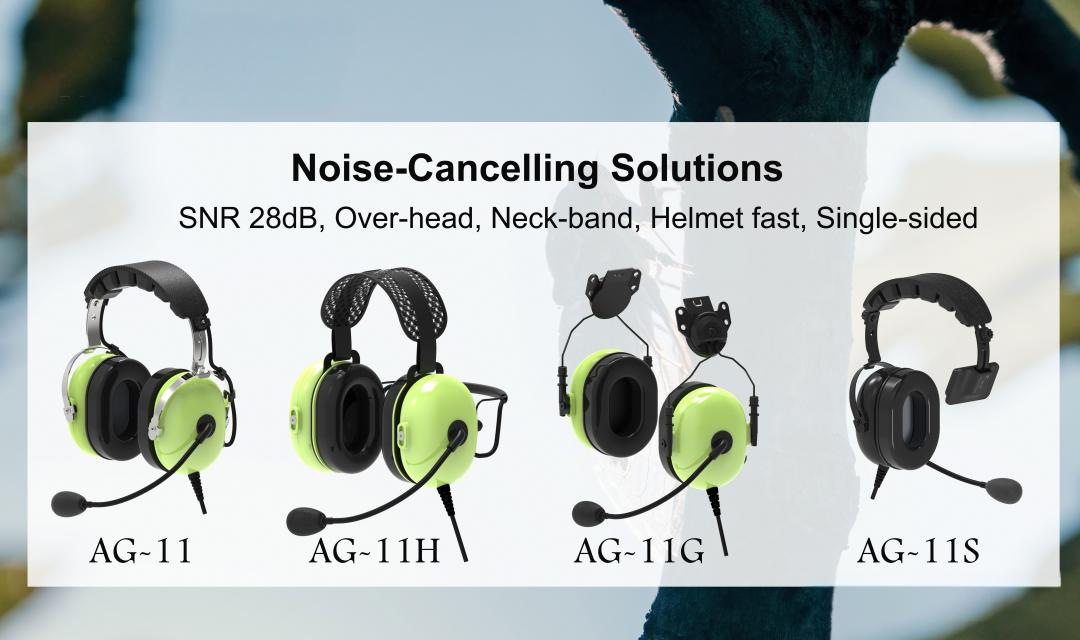
POWER TIME Joins National Celebration: Special Viewing of 80th Victory Anniversary Military Parade
Power Time PTE-1315 Heavy-Duty Speaker Microphone - Engineered for Excellence in Demanding Environments
Related Article

Power‑Time PTE‑I5 earphone is an industrial‑grade Bluetooth headset built for front‑line workers in factories, warehouses, transport hubs and outdoor sites.
Reliable Hands‑Free Communication for Demanding Industrial Workplaces

A practical comparison of OEM and aftermarket radio accessories — examining compatibility, cost, quality, and reliability for professional buyers.
OEM vs Aftermarket Radio Accessories
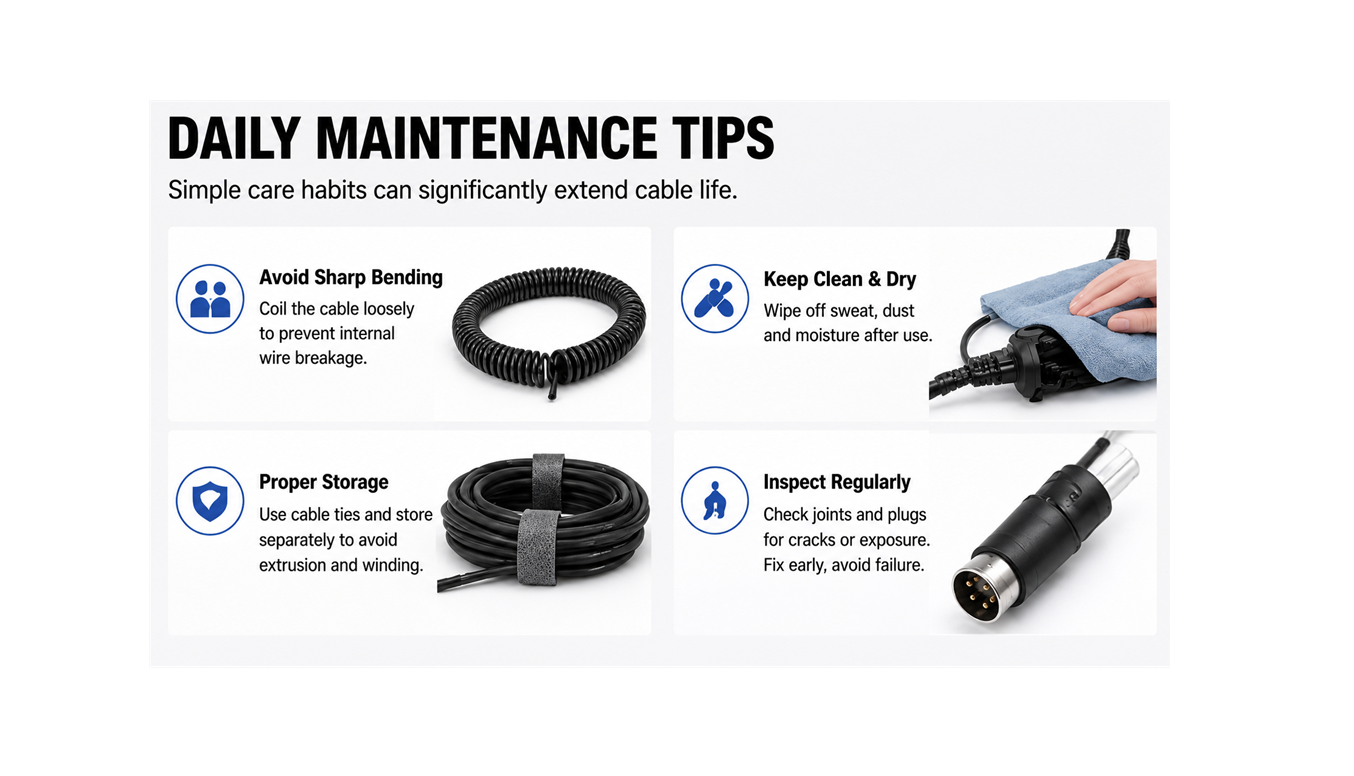
Many noise-canceling communication headphones are scrapped entirely due to broken cables! We share headphone cable maintenance tips to reduce equipment maintenance and operational costs for security and emergency response teams.
Why Broken Cables Ruin Your Entire Headset & How to Avoid It
