
PNR vs ANR: Choose the Right Noise-Cancelling Headset for Two-Way Radio
2026-06-10
In demanding professional environments such as mining, manufacturing, and transportation, effective communication is often hampered by pervasive noise challenges. These cacophonous backdrops not only impede clear exchanges but also pose significant risks to worker safety and productivity. Addressing this critical issue, noise-cancelling technologies have emerged as indispensable solutions, primarily categorized into Passive Noise Reduction (PNR) and Active Noise Cancellation (ANR).
Passive Noise Reduction (PNR): The Physical Barrier
PNR technology operates on a straightforward principle: physically blocking sound waves. This is achieved through the use of dense materials like foam, silicone, and robust casings within headset designs. By creating a physical barrier, PNR effectively attenuates noise across the entire frequency spectrum, typically offering a reduction of 15-30dB. Its primary advantages lie in its simplicity, reliability, and durability, requiring no power source, making it inherently safe and cost-effective. PNR is particularly crucial for hearing protection in extremely loud and hazardous environments.
However, its indiscriminate noise blocking can isolate users from critical environmental sounds such as alarms or verbal warnings, potentially creating safety hazards. Furthermore, prolonged wear can lead to pressure discomfort.
However, its indiscriminate noise blocking can isolate users from critical environmental sounds such as alarms or verbal warnings, potentially creating safety hazards. Furthermore, prolonged wear can lead to pressure discomfort.


Active Noise Cancellation (ANR): The Electronic Counter-Wave
In contrast, ANR technology employs an electronic counter-wave to cancel out ambient noise. Microphones integrated into the headset detect incoming noise, an electronic circuit then generates an inverted sound wave that, when combined with the original noise, effectively neutralizes it. ANR excels at targeting continuous, low-frequency noises prevalent in environments like heavy machinery or HVAC systems, often achieving 20-40dB attenuation. This results in superior clarity for communication and reduced listener fatigue. ANR's ability to selectively target frequencies allows for partial environmental awareness, enhancing safety in certain scenarios, and generally offers greater comfort during extended wear.
The main drawbacks include its reliance on battery power, which increases weight, bulk, and cost. Its complex electronics are also more susceptible to harsh environmental factors such as humidity, dust, and electromagnetic interference, rendering it less robust than PNR in extreme conditions.
The main drawbacks include its reliance on battery power, which increases weight, bulk, and cost. Its complex electronics are also more susceptible to harsh environmental factors such as humidity, dust, and electromagnetic interference, rendering it less robust than PNR in extreme conditions.
PNR vs. ANR
| Feature/Consideration | Passive Noise Reduction (PNR) | Active Noise Cancellation (ANR) |
| Core Strengths | Reliability, safety, explosion-proof capabilities. Ideal for hazardous environments. | Comfort, clarity. Effectively eliminates low-frequency fatigue noise. |
| Key Limitations | Pressure discomfort with prolonged wear; less effective on low-frequency noise than ANR. | Battery dependency; higher failure rate in harsh conditions; higher cost. |
| Power/Cost | Zero power, lower cost. | Battery-powered, significantly higher cost. |
| Applicable Scenarios | High-noise, high-risk environments: Airports, mining, heavy industry, shooting ranges. Explosion-proof zones: Chemical plants, gas stations. Budget-conscious: General security, warehousing. | Moderate-noise, long-duration wear: Heavy vehicle operation (buses, trucks), power plants, data centers. Extreme cases: Helicopter pilots (targeting specific engine frequencies). |
Selecting the appropriate noise-cancelling headset hinges on a thorough evaluation of the operational environment and specific user needs. PNR is the preferred choice for extremely loud or hazardous environments like construction sites or aviation ground crews, where uncompromising reliability, intrinsic safety, and budget constraints are paramount. Its simple, robust operation makes it ideal for situations demanding maximal hearing protection. Conversely, ANR should be considered for environments characterized by persistent low-to-mid frequency noise, such as within heavy machinery, where improved communication clarity and reduced fatigue over long durations are critical. While requiring a higher investment and battery dependence, ANR's ability to maintain some environmental awareness and enhanced comfort can be decisive factors.

Ultimately, the judicious selection of noise-cancellation technology is vital for optimizing both worker safety and communication efficiency in demanding professional contexts. By understanding the distinct mechanisms, advantages, and limitations of PNR and ANR, industry professionals can make informed decisions that directly contribute to safer and more productive work environments. The right choice in noise-cancelling headsets is not merely an accessory but a fundamental tool for operational excellence.
Ready to equip your team with the right noise-cancelling headset? Contact Power Time for expert guidance and customized solutions tailored to your specific operational environment.
POWER-TIME Brings Professional Two-Way Radio Audio Accessories to EUROSATORY 2026
PTE-169: Setting a New Benchmark for Covert Communication Headsets
Related Article

Power‑Time PTE‑I5 earphone is an industrial‑grade Bluetooth headset built for front‑line workers in factories, warehouses, transport hubs and outdoor sites.
Reliable Hands‑Free Communication for Demanding Industrial Workplaces

A practical comparison of OEM and aftermarket radio accessories — examining compatibility, cost, quality, and reliability for professional buyers.
OEM vs Aftermarket Radio Accessories
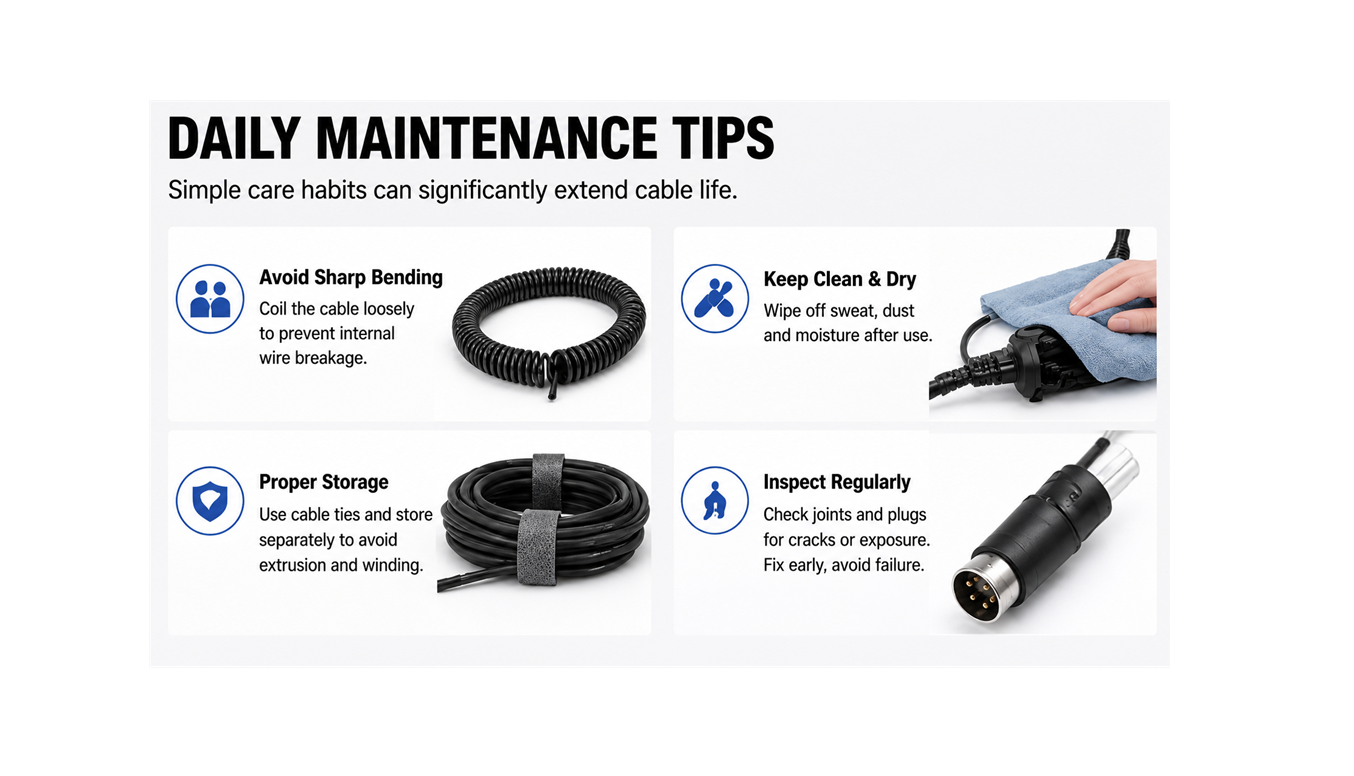
Many noise-canceling communication headphones are scrapped entirely due to broken cables! We share headphone cable maintenance tips to reduce equipment maintenance and operational costs for security and emergency response teams.
Why Broken Cables Ruin Your Entire Headset & How to Avoid It
